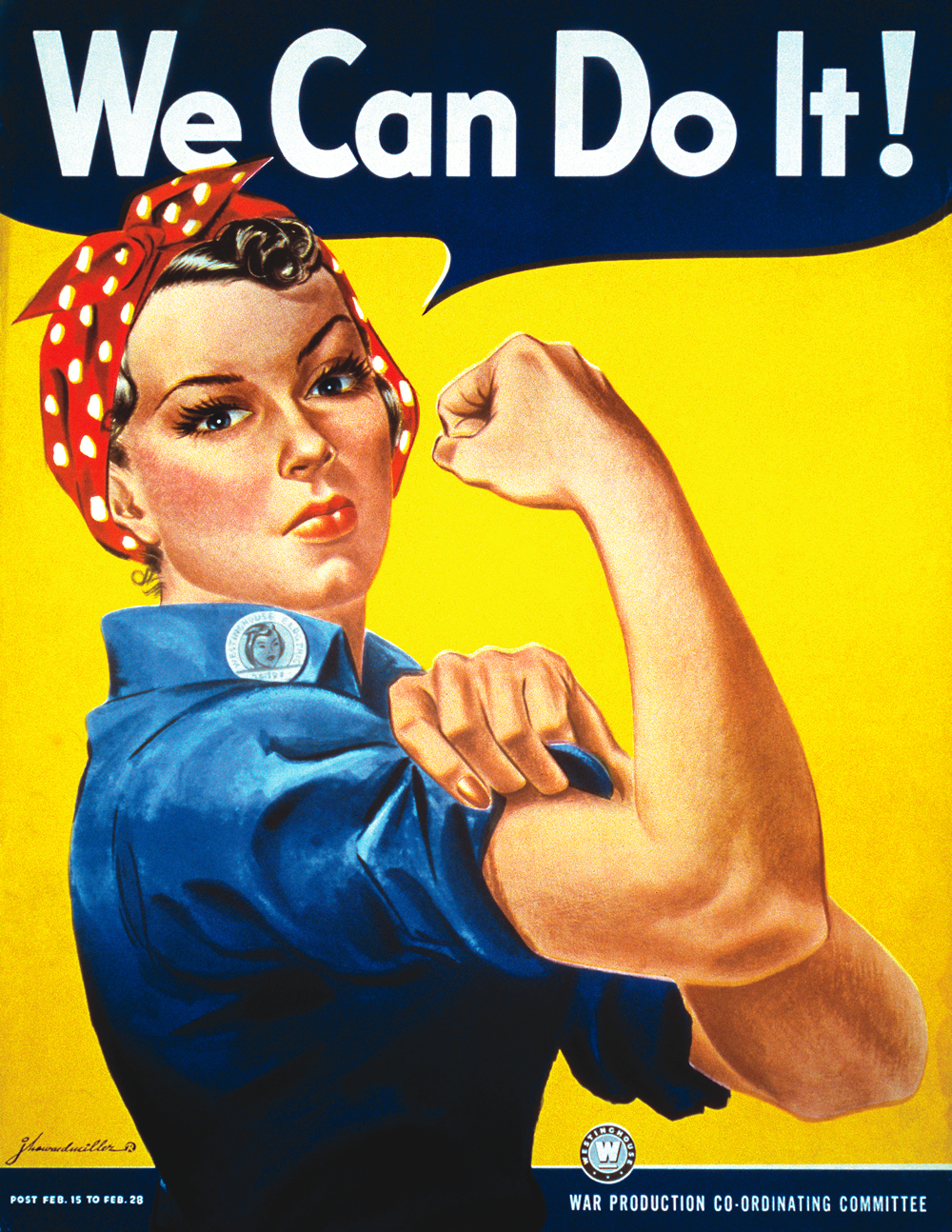
 It's similar in structure to the "Rosie the Rivetter" poster, which uses the personal plural pronoun to avoid the appearance of authority, and gives a face to the call to action. It simulates the sensation of Rosie personally calling on women to enter the workforce, rather than the government. In this way, the ComeOut! article is more honest than the poster because the authors of the article might realistically be street demonstrators ranting about the need for people to come out, while the government is in no way comparable to their mascot, the rivetter.
Sunday, October 5, 2014
Presentation of the "Come Out" Newspaper
The ComeOut! cover article calls on sexuality minortiy members to be proud of their identity and "come out." It is essentially a call-to-action propaganda piece. The frequent use of capitalization for emphasis throughout the article establishes a tone of urgency. The use of humor reduces the formality of the otherwise serious topic and makes the author feel like a peer rather than an authority. The title photo gives a face to the ideas embodied in the text, giving it a level of humanity. The article ends up reading like a street demonstrator's rant.
 It's similar in structure to the "Rosie the Rivetter" poster, which uses the personal plural pronoun to avoid the appearance of authority, and gives a face to the call to action. It simulates the sensation of Rosie personally calling on women to enter the workforce, rather than the government. In this way, the ComeOut! article is more honest than the poster because the authors of the article might realistically be street demonstrators ranting about the need for people to come out, while the government is in no way comparable to their mascot, the rivetter.

Subscribe to:
Post Comments (Atom)
I think it is interesting that you made a comparison to Rosie the Riveter, and you do analyze the pieces well. However, I don't think you should bring up Rosie the Riveter. It sort of feels like you're trying to introduce a new text here, where your comparison should be directed at the Stonewall Riots picture, if anything.
ReplyDeleteI think you should spend less time focusing on the font of the words and more time focusing on the photographs of the people above the title. Coming out in the 1960s (and even today) to the public was frightening due to the social stigmas and discrimination. Yet all of the people in the picture are smiling and laughing. They appear to be jumping off of the page towards the reader and extending their hands. This shows the moral support that this newspaper is willing to give any member of the gay community which reinforces the idea of a newspaper "by and for the gay community".
ReplyDelete